Author
Philip K. Dick
4 award wins, 10 nominations across 8 books.
Philip Kindred Dick was an American novelist, short story writer, and essayist whose published work during his lifetime was almost entirely in the science fiction genre. Dick explored sociological, political and metaphysical themes in novels dominated by monopolistic corporations, authoritarian governments, and altered states. In his later works, Dick's thematic focus strongly reflected his personal interest in metaphysics and theology.
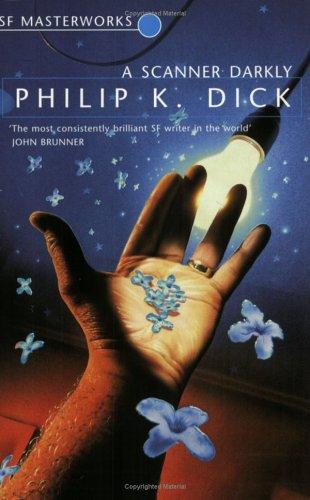
A Scanner Darkly
278 pages
As an Amazon Associate, BookAwardsDB earns from qualifying purchases at no extra cost to you.
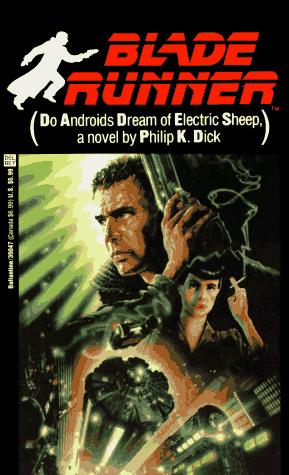
Do Androids Dream of Electric Sheep?
224 pages
It was January 2021, and Rick Deckard had a license to kill. Somewhere among the hordes of humans out there, lurked several rogue androids. Deckard's assignment--find them and then..."retire" them. Trouble was, the androids all looked exactly like humans, and they didn't want to be found!
As an Amazon Associate, BookAwardsDB earns from qualifying purchases at no extra cost to you.
Dr. Bloodmoney, or How We Got Along After the Bomb
Dr. Bloodmoney, or How We Got Along After the Bomb is a 1965 science fiction novel by American writer Philip K. Dick. It was nominated for the Nebula Award for Best Novel in 1965.[1]
As an Amazon Associate, BookAwardsDB earns from qualifying purchases at no extra cost to you.
Flow My Tears, the Policeman Said
231 pages
Flow My Tears, the Policeman Said is a 1974 science fiction novel by American writer Philip K. Dick. The story follows a genetically enhanced pop singer and television star who wakes up in a world where he has never existed. The novel is set in a futuristic dystopia, where the United States has become a police state in the aftermath of a Second Civil War. It was nominated for a Nebula Award in 1974 and a Hugo Award in 1975, and was awarded the John W. Campbell Memorial Award for Best Science Fiction Novel in 1975.
As an Amazon Associate, BookAwardsDB earns from qualifying purchases at no extra cost to you.
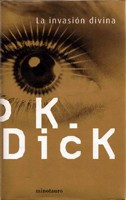
The Divine Invasion
As an Amazon Associate, BookAwardsDB earns from qualifying purchases at no extra cost to you.
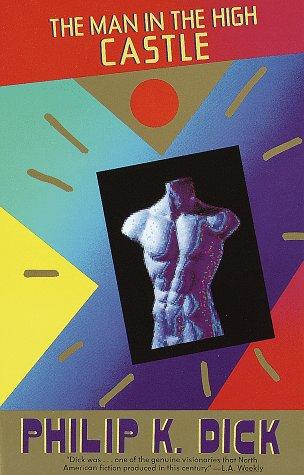
The Man in the High Castle
258 pages
The Man in the High Castle is an alternate history novel by American writer Philip K. Dick. Published and set in 1962, the novel takes place fifteen years after an alternative ending to World War II, and concerns intrigues between the victorious Axis Powers—primarily, Imperial Japan and Nazi Germany—as they rule over the former United States, as well as daily life under the resulting totalitarian rule. The Man in the High Castle won the Hugo Award for Best Novel in 1963.
As an Amazon Associate, BookAwardsDB earns from qualifying purchases at no extra cost to you.
The Three Stigmata of Palmer Eldritch
256 pages
The Three Stigmata of Palmer Eldritch is a 1965 science fiction novel by Philip K. Dick. It was nominated for the Nebula Award for Best Novel in 1965.[1]
As an Amazon Associate, BookAwardsDB earns from qualifying purchases at no extra cost to you.
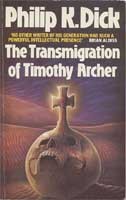
The Transmigration of Timothy Archer
The Transmigration of Timothy Archer, the final novel in the trilogy that also includes Valis and The Divine Invasion, is an anguished, learned, and very moving investigation of the paradoxes of belief. It is the story of Timothy Archer, an urbane Episcopal bishop haunted by the suicides of his son and mistress--and driven by them into a bizarre quest for the identity of Christ.From the Trade Paperback edition.
As an Amazon Associate, BookAwardsDB earns from qualifying purchases at no extra cost to you.